
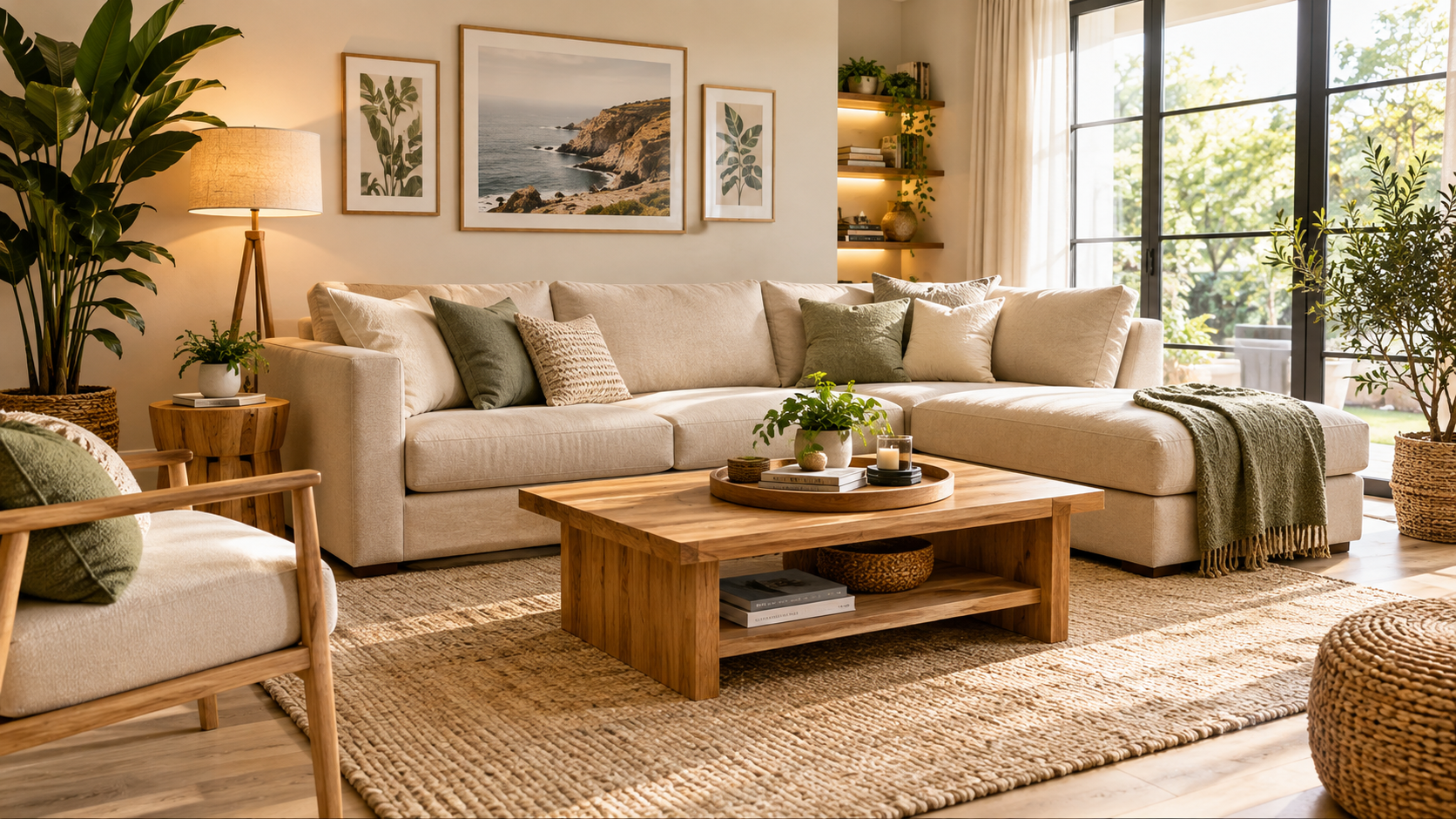
A home is more than a collection of rooms, furniture, and decorative objects. It is a personal environment that influences daily routines, comfort, creativity, and the way people experience ordinary moments. From the first light entering a bedroom in the morning to the atmosphere of a living room in the evening, thoughtful design can make familiar spaces feel more inviting and functional.
Home Decor Ideas TheHomeTrotters focuses on the broader concept of creating interiors that combine visual appeal with practical living. Whether someone wants to refresh a small apartment, reorganize a family home, introduce natural textures, or give an outdated room a different personality, successful decoration begins with understanding the space and the people who use it.
The best interiors are not necessarily the most expensive or elaborate. They are the ones in which furniture has a purpose, colors work together, storage feels natural, and personal belongings contribute to the overall character of the room. By approaching decorating as a series of considered decisions rather than a single expensive project, homeowners can develop spaces that feel distinctive and comfortable.
What is Home Decor Ideas TheHomeTrotters?
Home Decor Ideas TheHomeTrotters is a search topic associated with home decorating inspiration, interior styling, and practical ways to improve residential spaces. It brings together the kinds of questions people ask when they want to make their homes more attractive, organized, comfortable, and suited to their lifestyles.
The subject can include living room arrangements, bedroom styling, furniture selection, wall colors, decorative accessories, lighting, storage solutions, and ideas for making small spaces more useful. It can also cover the relationship between design preferences and everyday requirements, such as choosing durable fabrics for busy households or selecting furniture that serves multiple purposes.
The phrase itself should not be confused with a specific decorating technique or universally defined design style. Instead, it represents a broader area of interest in which readers seek ideas and guidance for creating better living environments.
For example, someone exploring this topic might want to understand how to combine wood and neutral colors, arrange furniture in a narrow room, or introduce personality without filling every surface with decorations. Another reader might be interested in affordable improvements that make an existing home feel different without requiring major construction.
The central principle is simple: decoration should improve the experience of living in a space, not merely change its appearance.
How Thoughtful Home Decoration Improves Everyday Living
Interior design influences how people move through rooms, organize belongings, and use their surroundings. A carefully arranged home can make daily tasks easier while providing visual comfort.
Creating a Better Relationship Between Space and Furniture
Furniture determines much of a room’s functionality. An oversized sofa can make a compact living room difficult to navigate, while a poorly positioned dining table can interrupt movement between the kitchen and other areas.
Before selecting furniture, consider the room’s measurements, entrances, windows, and primary activities. Draw a basic floor plan if necessary, and leave sufficient room for doors, drawers, and frequently used pathways.
Furniture should support the room’s purpose. A reading area benefits from a comfortable chair and suitable lighting, whereas a family living room may require flexible seating and accessible storage.
Supporting Comfort Through Color and Texture
Color and texture influence how a room feels visually. Soft fabrics, warm wood, and muted colors can create a relaxed atmosphere, while stronger contrasts and smooth finishes may suit a more contemporary interior.
These effects depend on the surrounding environment, natural light, and individual preferences. There is no single palette that works equally well in every home.
A useful approach is to select a few complementary colors and repeat them in different forms. A shade used in a cushion might appear again in artwork or a small decorative object, creating a connection between separate parts of the room.
Making Organization Part of the Design
Storage is often treated as a separate concern from decoration, but the two are closely connected. Visible clutter can make even an attractive room feel uncomfortable, while accessible storage helps maintain a cleaner appearance.
Baskets, cabinets, shelves, and multifunctional furniture can organize belongings without sacrificing style. The best storage arrangement depends on what needs to be stored and how frequently those items are used.
Home Decor Ideas for a Living Room With Personality
The living room often serves as the social center of a home. It may accommodate conversations, entertainment, reading, family activities, and quiet relaxation. Its design should therefore balance flexibility with a consistent visual identity.
Develop a Focal Point
A focal point provides a visual anchor for the room. It might be a large window, a fireplace, an artwork, or a television wall.
Arrange furniture in relation to this feature while considering conversation and movement. Avoid placing objects randomly simply to fill empty corners.
A focal point does not have to be expensive. A thoughtfully framed print or a distinctive piece of furniture can establish character without requiring extensive changes.
Combine Soft Furnishings With Natural Finishes
Cushions, throws, curtains, and rugs introduce texture and help connect different colors within a room. Natural finishes, including wood and woven materials, can soften the appearance of modern furniture.
For a balanced arrangement, combine a few contrasting textures rather than using many competing patterns. A plain sofa can work with patterned cushions, while a patterned rug may look better alongside simpler upholstery.
Consider durability and maintenance before choosing delicate materials for frequently used seating.
Keep Decorative Arrangements Flexible
Living rooms change as households grow, routines shift, and new interests develop. Choose accessories that can be moved or rearranged easily.
A small tray on a coffee table, a floor lamp beside a chair, or a few objects on a bookshelf can create interest without making the room difficult to use.
The objective is to create a setting that looks intentional while remaining comfortable for everyday activities.
Bedroom Styling for Rest, Privacy, and Personal Expression
A bedroom should provide a sense of comfort and privacy. Its design can support relaxation through a suitable layout, manageable storage, comfortable textiles, and lighting that matches different activities.
Choose a Cohesive Bedding Palette
Bedding is one of the largest visual elements in a bedroom. Selecting colors that complement the walls, flooring, and furniture can make the entire space feel more coordinated.
Warm white, beige, muted green, and soft blue are possible starting points. Add contrast through a blanket, cushion, or textured bedspread rather than introducing many unrelated shades.
Practicality matters as much as appearance. Select fabrics that feel comfortable and are easy to wash according to their care instructions.
Make Storage Accessible
Wardrobes, under-bed containers, drawer organizers, and bedside tables can reduce clutter when used according to the household’s needs.
Store frequently used items in convenient locations and keep less frequently needed belongings in designated spaces. This makes it easier to maintain the room without repeatedly reorganizing everything.
Use Lighting to Support Different Routines
A bedroom may require bright general lighting for dressing and cleaning, along with softer bedside illumination for reading or relaxing.
Position lamps where they are useful and keep cables arranged safely. If space is limited, a suitable wall-mounted fixture may free up room on the bedside table.
Smart Interior Design for Small Homes
Small homes benefit from deliberate choices about furniture scale, storage, color, and movement. The goal is not to make every room empty but to preserve the space needed for comfortable living.
Select Furniture That Serves More Than One Purpose
An ottoman with storage, a foldable dining table, or a bed with drawers can combine multiple functions in one piece of furniture.
However, multifunctional furniture should be convenient to use. Consider whether its mechanisms are durable, whether it fits through the doorway, and whether its additional features genuinely solve a problem.
Use Walls for Storage and Display
Vertical storage can reduce the need for bulky furniture. Shelves, hooks, narrow bookcases, and wall-mounted organizers provide space for belongings while keeping floors clearer.
Plan the position of each item carefully, especially in rooms with limited headroom or narrow walking routes. Secure shelves with suitable fixings and respect their weight limits.
Create Visual Continuity
A consistent color family can help adjoining spaces feel connected. This is particularly useful in open-plan homes, where the living, dining, and kitchen areas share a visual field.
Repeat selected materials or finishes rather than making every item identical. A similar wood tone, a recurring accent color, or complementary textiles can create continuity without making the interior look uniform.
Choosing Colors That Reflect Your Personal Style
Color selection is easier when you consider the room as a whole rather than evaluating paint samples in isolation.
Neutral Colors as a Starting Point
Cream, beige, warm gray, and off-white can provide a flexible foundation for furniture and accessories. These shades allow other materials and decorative details to stand out.
A neutral room does not have to feel plain. Layered textures, contrasting finishes, artwork, and plants can introduce variety without changing the main color scheme.
Introducing Bold Accents
Deep blue, forest green, terracotta, or mustard can add personality when used selectively. Accent colors may appear in cushions, artwork, lampshades, or a single painted wall.
Test combinations before making permanent changes. The amount of natural light and the colors of existing furniture can influence how a shade appears throughout the day.
Balancing Warm and Cool Tones
Warm and cool colors can work together when their proportions are considered carefully. For example, muted blue accessories may complement warm wood, while a cream background can soften a deeper green feature.
Experiment with samples and small accessories before committing to a complete room makeover.
Lighting Ideas That Enhance the Atmosphere
Lighting is both a practical requirement and an important design element. It affects visibility, highlights textures, and helps a room support different activities.
Combine General and Task Lighting
General lighting illuminates the overall room, while task lighting supports activities such as reading, cooking, or working.
A desk benefits from focused illumination, while a living room may need a combination of ceiling lighting and lamps near seating areas. Select fixtures that suit the size and purpose of the space.
Make Natural Light a Priority
Keep windows reasonably unobstructed and select window coverings that provide the required balance of privacy and daylight.
Mirrors can reflect available light and add visual depth when placed thoughtfully. However, their effectiveness depends on the position of the windows and the surrounding surfaces.
Consider Energy Use and Maintenance
Choose compatible bulbs and fixtures, paying attention to brightness, color appearance, energy consumption, and cleaning requirements.
Well-planned lighting should remain convenient to operate and maintain rather than introducing unnecessary complexity.
Natural Materials and Decorative Details
Natural materials provide variation through their colors, grain patterns, and textures. Wood, linen, cotton, clay, stone, and woven fibers can complement many different decorating approaches.
Mix Materials Carefully
Pair smooth furniture surfaces with textured fabrics or woven accessories. A wooden table can be complemented by a ceramic vase, while linen curtains may soften the appearance of metal fixtures.
The aim is to create contrast without introducing too many competing finishes.
Introduce Plants Where Conditions Allow
Indoor plants bring natural shapes and color into a room. Select plants according to available light, temperature, watering requirements, and household safety.
Position containers where they will not obstruct movement or damage furniture through excess water. If live plants are unsuitable, botanical prints and nature-inspired fabrics can provide an alternative.
Use Personal Objects to Tell Your Story
Photographs, books, handmade pieces, and meaningful souvenirs can make a home feel individual. Display objects that matter to you instead of buying decorations simply to fill empty surfaces.
A few thoughtfully arranged personal items can contribute more character than a large collection of unrelated accessories.
Affordable Home Improvements Without Major Renovation
Decorating does not always require new furniture or expensive materials. Small, well-chosen improvements can make a noticeable difference when they address a genuine need.
Rearrange Before Buying
Try different furniture arrangements and remove items that no longer serve a purpose. Moving a chair closer to a window or repositioning a side table may improve the room without costing anything.
Refresh Existing Furniture
Depending on the material and condition, suitable cleaning, repairs, replacement handles, or a carefully applied finish may extend the usefulness of existing furniture.
Check the recommended preparation and treatment method before modifying a surface.
Create a Realistic Budget
Prioritize essential repairs, practical storage, and functional lighting before purchasing optional accessories. Compare items based on quality, dimensions, maintenance, and expected durability.
A planned budget helps prevent small purchases from accumulating into a larger expense than intended.
Exploring Related TheHomeTrotters Topics
Readers looking for home inspiration may encounter searches such as blog home ideas thehometrotters, thehometrotters blog home ideas, and latest articles thehometrotters. These phrases suggest an interest in decorating content, related articles, or information associated with the name.
Other terms, including coolideas thehometrotters and website thehometrotters, may reflect broader searches for ideas or site-related information. Their exact meaning depends on the context in which they are used.
Searches for mcnamara thehometrotters, thehometrotters trisha, and trisha thehometrotters should be interpreted carefully. The phrases alone do not establish an individual’s identity, professional role, or connection to a particular publication.
Likewise, tech thehometrotters may refer to searches combining technology with the name, while thehometrotters homerepairs suggests an interest in repair-related information. The phrase thehometrotters lythretdia vyctarin is less self-explanatory, so its meaning should not be assumed without additional context.
When researching these related queries, focus on the actual information provided by relevant pages rather than inferring features, authorship, services, or expertise from keywords alone. Decorating advice and technical home-repair guidance are also different categories: projects involving electrical systems, structural changes, or potentially hazardous equipment require appropriate professional assessment.
Frequently Asked Questions
What is Home Decor Ideas TheHomeTrotters?
Home Decor Ideas TheHomeTrotters is a topic associated with interior decorating inspiration and practical ways to improve residential spaces. It encompasses room styling, furniture arrangements, colors, lighting, storage, and personalized design choices.
How can I improve my home without spending a lot?
Start by rearranging existing furniture, decluttering, refreshing textiles, and improving the lighting arrangement. Prioritize changes that solve practical problems before purchasing optional decorations.
Which colors are suitable for modern interiors?
Neutral shades, muted greens, soft blues, and warm earth tones can work well in modern interiors. The best combination depends on the room’s natural light, existing materials, and the atmosphere you want to create.
How do I make a small room feel larger?
Use appropriately sized furniture, keep walking routes clear, make effective use of vertical storage, and maintain a consistent color palette. Mirrors may also help create a sense of visual depth.
What are the most important bedroom decorating considerations?
Comfortable bedding, suitable lighting, accessible storage, and a practical furniture layout are key considerations. Personal accessories should complement these essentials rather than interfere with everyday use.
How can lighting improve a living room?
Combining general lighting with task and accent lighting helps support different activities and creates flexibility. The position, brightness, and color appearance of each light should suit its intended purpose.
Are expensive decorations necessary for an attractive home?
No. Good organization, suitable furniture placement, balanced colors, and personal details can improve a room without expensive purchases. Quality and practicality are often more valuable than quantity.
How can I keep my home decor from looking cluttered?
Choose accessories intentionally, group related objects, leave some surfaces open, and provide designated storage for everyday belongings. Review decorative items periodically to ensure they still contribute to the room.
How should I use online home decorating inspiration?
Treat online examples as starting points. Adapt them to your own measurements, budget, lighting conditions, and lifestyle instead of copying an arrangement that may not suit your home.
Conclusion
Home decoration works best when appearance and functionality develop together. Thoughtful furniture placement, coordinated colors, appropriate lighting, useful storage, natural textures, and personal details can help create an interior that feels comfortable and distinctive.
Home Decor Ideas TheHomeTrotters provides a useful subject for exploring these possibilities, but the most successful choices will always depend on the individual home and the people who use it. Start with a clear goal, make improvements gradually, and choose details that support your everyday routines.
A well-designed home does not need to be perfect or expensive. It needs to feel welcoming, work efficiently, and reflect the character of the people who live there.