
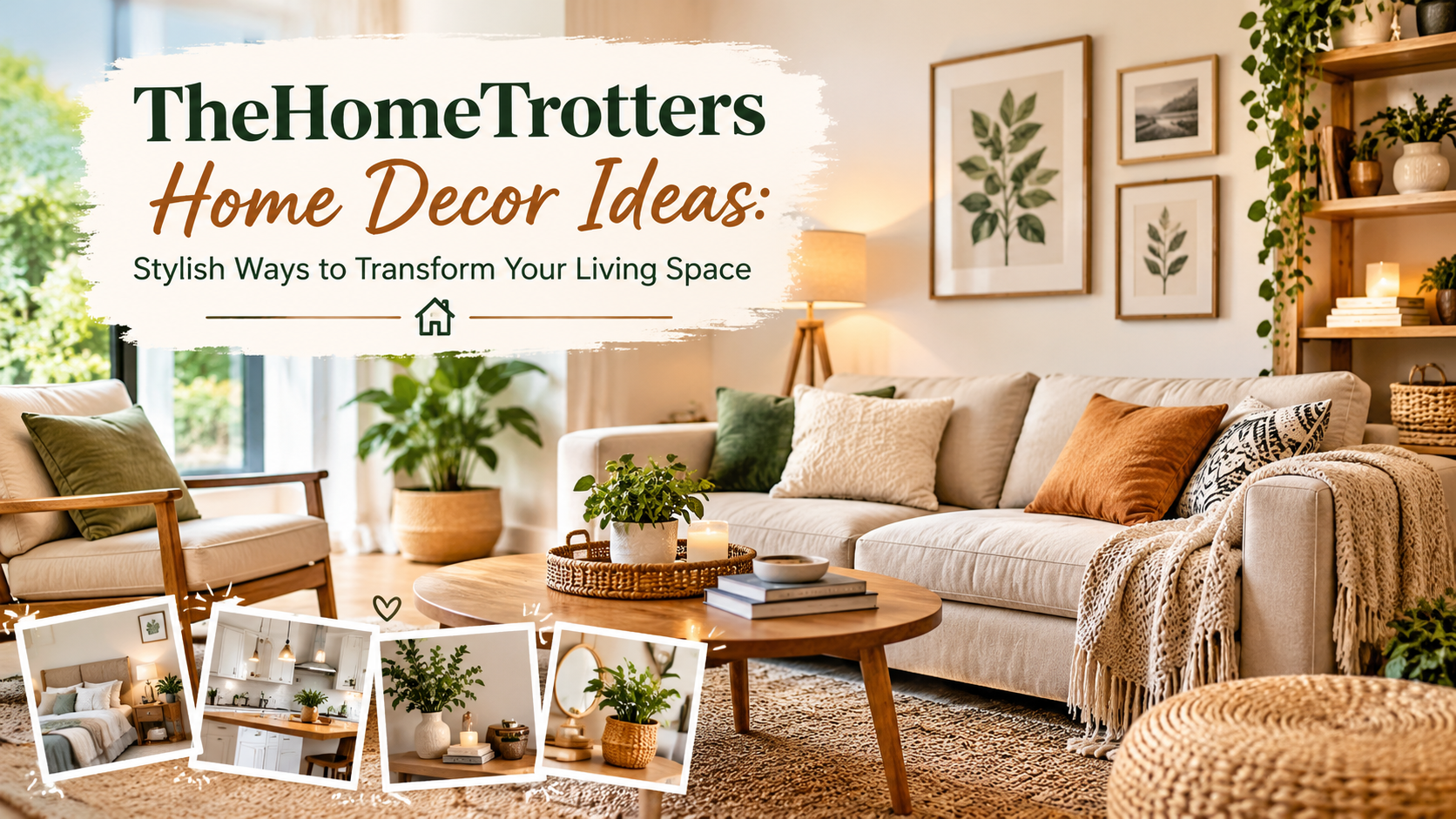
A beautiful home is more than a collection of furniture and decorative accessories. It is a place where comfort, personality, and functionality come together to create an enjoyable everyday environment. With the right design choices, even a small room can feel spacious, welcoming, and visually appealing. From selecting suitable colors to improving lighting and organizing furniture, thoughtful changes can make a significant difference without requiring a complete renovation.
TheHomeTrotters home decor ideas offer a useful starting point for exploring creative ways to improve different areas of your home. Whether you prefer modern interiors, cozy traditional settings, or simple minimalist designs, the most successful decorating approach is one that reflects your personal taste while supporting your daily routine.
Why TheHomeTrotters Home Decor Ideas Are Worth Exploring
Home decoration does not have to involve expensive purchases or complicated design projects. Often, a few carefully selected changes can improve how a room looks and functions.
Exploring home decor inspiration can help you discover new color combinations, furniture arrangements, storage solutions, and decorative styles. It can also encourage you to reconsider items you already own before buying something new.
The best ideas balance visual appeal with practicality. A living room should offer comfortable seating, a bedroom should support relaxation, and a kitchen should make everyday tasks easier. By considering these needs before decorating, you can create rooms that look attractive and remain useful over time.
Choose a Color Palette That Creates Harmony
Color is one of the most influential elements of interior design. It affects how a room feels and determines how different furnishings and accessories work together.
Neutral colors such as cream, beige, white, and soft gray provide a flexible foundation. These shades can make rooms feel calm and allow furniture, artwork, and textiles to stand out. If you prefer a more expressive appearance, introduce accents such as olive green, navy blue, terracotta, or muted gold.
You do not need to use the same color throughout your entire home. Instead, choose complementary shades that create a sense of connection between adjoining spaces.
Before painting a wall or purchasing new curtains, consider the amount of natural light the room receives. Colors can appear different under morning sunlight, evening lighting, and artificial illumination. Testing a small sample first can help you make a more confident decision.
Transform Your Living Room with Smart Design Choices
The living room often serves several purposes, including relaxing, entertaining guests, watching television, and spending time with family. Its layout should support these activities without making the space feel crowded.
Start by arranging seating to encourage conversation and provide clear walking paths. Position sofas and chairs according to the room’s dimensions, windows, and main focal point. A coffee table can provide a convenient surface, while a properly sized rug helps define the seating area.
Decorative cushions, throws, and artwork can introduce color without requiring major changes. Choose accessories that complement the furniture rather than competing for attention.
Lighting is equally important. Combine natural daylight with table lamps or floor lamps to create a comfortable atmosphere during the evening.
For smaller living rooms, consider furniture with built-in storage or compact designs. Removing unnecessary items can also make the room feel more open and organized.
Create a Relaxing Bedroom with Simple Decorating Ideas
A bedroom should feel peaceful, comfortable, and personal. The goal is to create an environment that supports rest while reflecting your preferred style.
Begin with the bed, since it is usually the room’s main visual feature. Select bedding in colors that complement the walls and furniture. Layering sheets, a lightweight blanket, and a few cushions can add texture without making the bed appear overcrowded.
Soft bedside lighting can create a relaxing atmosphere, while curtains help manage daylight and provide privacy. Keep frequently used items accessible, but avoid filling every surface with decorations.
Storage is another important consideration. Under-bed containers, wardrobe organizers, and bedside drawers can help reduce clutter. A tidy bedroom often feels more comfortable because the design allows the important elements to stand out.
Choose decorations that make the room feel welcoming rather than following every passing trend.
Make Small Spaces Look Bigger and Brighter
Decorating a small home requires careful planning, but limited space does not mean sacrificing style. The right furniture, lighting, and storage choices can help a compact room feel more functional.
Multifunctional furniture is especially useful. Storage ottomans, folding desks, nesting tables, and beds with drawers can serve several purposes while reducing the need for additional furniture.
Vertical storage provides another practical solution. Wall-mounted shelves and hooks can keep everyday items organized without occupying valuable floor space.
Mirrors may help distribute available light visually, particularly when positioned thoughtfully near a window. Light-colored walls and curtains can also create an airy appearance, although darker accents can work well when used selectively.
Keep walkways clear and choose furniture that fits the room’s proportions. A few well-selected pieces often work better than filling every corner.
Bring Nature Indoors with Plants and Natural Materials
Natural elements can make interiors feel fresh, balanced, and inviting. Indoor plants, wooden furniture, woven baskets, and natural fabrics introduce texture while creating a connection with the outdoors.
Choose plants according to the available sunlight, room temperature, and amount of care you can provide. A small plant on a shelf may be enough to brighten a desk or reading corner, while a larger plant can become a focal point in a spacious room.
Wooden accessories and woven materials can add warmth to modern interiors. Linen curtains, cotton cushions, and textured rugs provide visual interest without making the design feel complicated.
If you cannot maintain living plants, botanical artwork or nature-inspired decorative pieces offer alternative ways to introduce similar themes.
The key is balance. A few natural details can have more impact than placing too many accessories throughout the room.
Upgrade Your Home Decor on a Budget
Beautiful interiors do not depend entirely on how much money you spend. A realistic budget encourages you to prioritize meaningful improvements and avoid unnecessary purchases.
Start by evaluating the furniture and decorations you already own. Rearranging a bookshelf, moving a lamp, changing cushion covers, or displaying existing artwork differently can give a room a fresh appearance.
Small projects such as painting a suitable wall, replacing worn drawer handles, or updating curtains may also create noticeable changes. Before buying new products, compare prices, check measurements, and consider durability.
Thrift stores and secondhand marketplaces can sometimes offer affordable furniture and decorative items. Inspect their condition carefully before purchasing.
It is also helpful to divide projects into priorities. Address practical needs first, such as inadequate lighting or insufficient storage, before spending money on purely decorative upgrades.
Use Lighting to Improve the Mood of Every Room
Lighting influences both the appearance and functionality of an interior. A well-lit room can feel more inviting, while poorly positioned lighting may make even an attractive space uncomfortable.
Begin by making the most of natural daylight. Keep windows clean, avoid unnecessarily blocking them with large furniture, and choose window treatments that suit your privacy needs.
For artificial lighting, consider different purposes. Ceiling lights provide general illumination, desk lamps support focused tasks, and bedside or floor lamps can create a softer atmosphere.
Warm-white lighting often works well in relaxing spaces, while task areas may benefit from brighter, more focused illumination. The best choice depends on the activity and the character of the room.
Thoughtful lighting can highlight artwork, improve visibility, and help different areas of an open-plan home feel distinct.
Personalize Your Home with Meaningful Accessories
Accessories help turn a decorated room into a personal living space. Family photographs, favorite books, artwork, handmade objects, and travel souvenirs can introduce character and create a sense of belonging.
Rather than displaying everything at once, select a few meaningful pieces and arrange them thoughtfully. A small group of objects on a shelf may look more balanced than a collection spread across every surface.
Wall art can help establish a room’s visual direction. Choose artwork that complements the existing colors and furniture, and position it at a comfortable viewing height.
Textiles are another easy way to personalize an interior. Rugs, cushions, and throws can introduce patterns and textures that make a room feel more inviting.
Your home does not need to resemble a showroom. It should reflect the people who live there and support the way they use each space.
Common Home Decorating Mistakes to Avoid
Even good design ideas can become less effective when they are applied without considering the room’s proportions and purpose.
One common mistake is purchasing furniture before measuring the available space. Large items can block walkways, while very small pieces may appear disconnected in a spacious room.
Another problem is using too many colors, patterns, or decorative accessories without a clear visual plan. Choosing a consistent palette helps different elements work together.
Poor lighting and insufficient storage can also reduce comfort. Before adding decorations, consider whether the room has enough illumination and whether everyday belongings have suitable places.
Finally, avoid making expensive changes simply because a particular trend is popular. Prioritize durability, comfort, and personal preference over short-lived styles.
How to Build a Home Decor Plan That Works
A simple decorating plan can save time, reduce unnecessary expenses, and help you achieve more consistent results.
First, choose one room and identify the main issue you want to address. You might need better storage, more comfortable seating, improved lighting, or a more coordinated color scheme.
Next, measure the room and review your existing furniture. Set a budget and list the changes that will have the greatest practical benefit.
Look for inspiration, but adapt ideas to your own circumstances. Consider household routines, maintenance requirements, available space, and personal preferences before making purchases.
Complete improvements in manageable stages and evaluate the results before moving on to another room. This method gives you more control over spending and makes the entire process less overwhelming.
Frequently Asked Questions
What are TheHomeTrotters home decor ideas?
The phrase refers to exploring home decorating inspiration, including color palettes, furniture arrangements, lighting, storage solutions, and decorative accessories.
How can I decorate my home without spending much money?
Rearrange existing furniture, declutter, update textiles, reuse suitable accessories, and prioritize small improvements that provide the greatest benefit.
What colors are best for a modern home?
Cream, beige, white, gray, and natural wood tones are versatile choices. Accent colors such as green, blue, or terracotta can add personality.
How can I make a small room feel more spacious?
Use appropriately sized furniture, maintain clear walkways, consider vertical storage, maximize natural light, and avoid unnecessary clutter.
Why is lighting important in home decoration?
Lighting affects visibility, comfort, and atmosphere. Combining natural daylight with suitable ambient and task lighting makes rooms more functional and inviting.
Conclusion
TheHomeTrotters home decor ideas can inspire readers to create living spaces that combine style, comfort, and everyday functionality. From choosing harmonious colors and improving lighting to organizing small rooms and adding natural materials, simple design decisions can make a home feel more welcoming.
The most effective decorating approach does not require following every trend or purchasing expensive furniture. Instead, focus on practical improvements that suit your space, budget, and personality.
Start with one room, make thoughtful changes, and build on what works. With creativity and careful planning, you can create a home that looks beautiful, feels comfortable, and supports your everyday life.
[…] When researching home inspiration through www thehometrotters .com, focus on ideas that match your available space, personal style, and budget rather than copying every design trend. […]